Parent-Child Interaction Therapy (PCIT)
Coming Soon to Bright Minds Counselling
Parent-Child Interaction Therapy (PCIT) is an evidence-based treatment for young children, typically ages 2–7, who are experiencing challenging behaviours, frequent tantrums, defiance, aggression, difficulty following directions or emotional regulation difficulties.
Unlike traditional therapy where a child may spend most of the session working directly with the therapist, PCIT focuses on the parent-child relationship and real-time parent coaching. A trained therapist coaches the parent while they interact and play with their child, helping the parent practice specific skills in the moment.
Sarah MacDonell is currently completing specialized training and certification in PCIT and expects to begin offering PCIT sessions at Bright Minds Counselling within the next one to two months.
PCIT services will be available once training and certification requirements have been completed.
What Makes PCIT Different?
PCIT is a highly structured, skills-based approach. Rather than simply talking with parents about what they could try at home, the therapist coaches parents while they are interacting with their child.
This allows parents to practice new skills in real time, receive immediate feedback and build confidence using those skills with their own child.
PCIT is delivered through two core phases:
Child-Directed Interaction (CDI)
Parents learn skills that strengthen the relationship through child-led play. The focus is on increasing positive attention, warmth and cooperation while reducing patterns that can contribute to conflict.
Parent-Directed Interaction (PDI)
Parents learn how to give clear, effective instructions, set appropriate limits and respond consistently when their child has difficulty following directions.
Together, these phases address both the parent-child relationship and challenging behaviour.
Who May Benefit From PCIT?
PCIT is designed for young children, typically ages 2–7, who are experiencing behavioural or emotional difficulties that are affecting everyday family life.
It may be particularly relevant when a child is experiencing:
Frequent tantrums or emotional outbursts
Defiance or difficulty following directions
Aggressive behaviour
Frequent parent-child power struggles
Difficulty with emotional regulation
Challenging behaviour during everyday routines
Behavioural concerns associated with ADHD or other developmental needs
PCIT can also be helpful for parents who feel stuck in recurring interaction patterns and want practical, hands-on support for changing those patterns.
A PCIT assessment can help determine whether the approach is appropriate for your child and family.
PCIT Is About More Than Behaviour
One of the important features of PCIT is that the parent-child relationship is central to the treatment.
Parents learn ways to increase positive interactions and strengthen connection while also developing effective strategies for managing challenging behaviour.
The goal is not simply to make a child “behave.” It is to help parents and children develop more positive, predictable interactions while giving parents practical skills they can continue using beyond therapy.
What Does a PCIT Session Look Like?
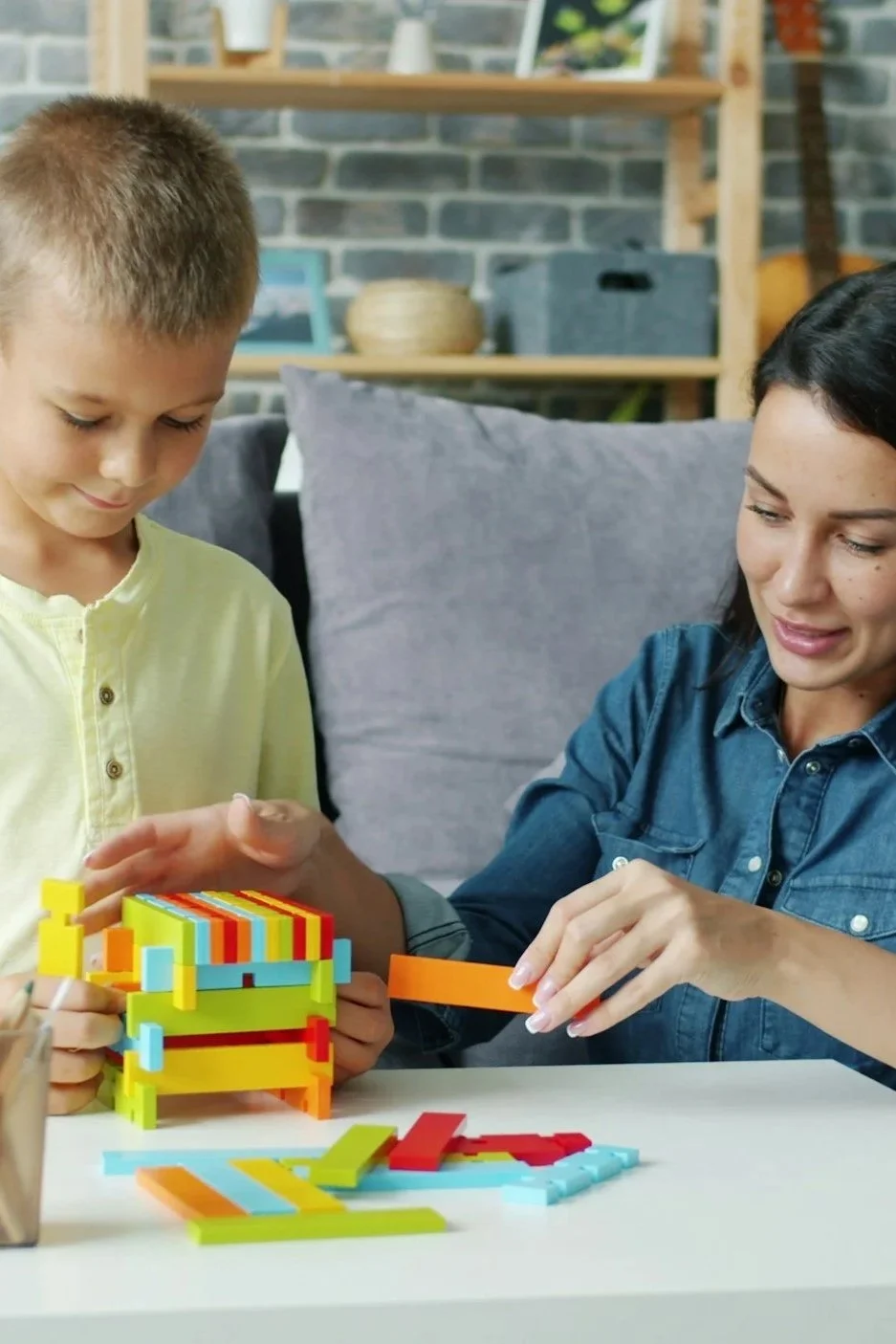
During PCIT, the parent and child interact together while the therapist observes and provides live coaching.
Parents receive immediate guidance as they practice the skills with their child rather than simply discussing them after the interaction has happened. PCIT may be delivered in person or through secure telehealth, depending on the provider and circumstances.
The structured nature of PCIT means that treatment is active and hands-on. Parents are learning by doing, with support from the therapist along the way.

Parents Are the Key Part of the Treatment
PCIT does not place the responsibility for change entirely on the child.
Parents are actively involved throughout treatment and learn skills they can use during everyday interactions at home.
This can help parents feel more confident about:
Getting their child's attention
Increasing positive behaviour
Giving clear directions
Responding consistently
Managing challenging behaviour
Staying connected during difficult moments
Building more positive interactions with their child
The skills are intended to become part of everyday parenting rather than something that only happens inside the therapy room.
How Is PCIT Different From Play Therapy?
Both PCIT and play therapy can involve play and caregiver involvement, but they have different structures and purposes.
Child-centred play therapy primarily uses the therapeutic relationship and play as the child's means of communication and emotional expression.
PCIT uses structured parent-child interactions and live coaching to teach caregivers specific skills for strengthening the relationship and managing challenging behaviour.
The right approach depends on the child's needs, the family's goals and the concerns bringing you to counselling.
What About Parent Support?
PCIT is a structured treatment model and is different from a standard parent support session.
Parent support may be appropriate when you want guidance around a particular parenting concern, behaviour, developmental stage or family situation.
PCIT may be a better fit when your young child is experiencing persistent behavioural difficulties and you are looking for a structured, evidence-based parent coaching approach.
If you're unsure which option is appropriate, a consultation can help determine where to start.
Frequently Asked Questions
Does my child participate in PCIT?
Yes. PCIT is built around live interactions between the child and caregiver. The therapist coaches the caregiver while they interact and play with their child.
How old does my child need to be?
PCIT is typically designed for children ages 2–7; depending on the concerns, children up to 10 years old can receive PCIT..
Do I need to bring my child to every session?
Because PCIT is based on observing and coaching parent-child interactions, the child is an active participant in the treatment.
Is PCIT the same as parent coaching?
Not exactly. Parent coaching can take many forms. PCIT is a specific, structured treatment model with defined phases, skills, assessments and treatment procedures.
How do I find out when PCIT becomes available at Bright Minds?
PCIT sessions will be available at Bright Minds Counselling once Sarah has completed her specialized training and certification.
Direct billing is available for many extended health plans, including Pacific Blue Cross, Canada Life, Desjardins, Manulife, Beneva, Equitable and others.
Located in Coquitlam, Bright Minds Counselling serves families and individuals throughout Coquitlam, Port Coquitlam, Port Moody, the Tri-Cities and surrounding communities. Online counselling is also available throughout British Columbia for eligible clients and services.