Developmentally informed counselling for children and teens.
Children and teens don't always have the words to explain what they're experiencing. Their emotions and experiences may show up through behaviours, relationships, play, school difficulties, withdrawal, anger, anxiety or other changes that can be difficult for parents to understand.
At Bright Minds Counselling, therapy is adapted to your child's developmental stage, personality and needs. We use a combination of play, expressive, relational and talk-based approaches to help children and teens develop emotional awareness, coping skills, confidence and healthier ways of responding to life's challenges.

When Your Child is Struggling
Families may seek counselling when a child or teen is experiencing:
Anxiety or excessive worry
Emotional dysregulation and big reactions
Behavioural challenges
ADHD and executive-function difficulties
Self-esteem or confidence concerns
Social or relationship difficulties
School-related stress
Family changes, separation or divorce
Trauma or difficult experiences
Grief and loss
Anger or aggression
Difficulty coping with emotions or everyday challenges
Sometimes there is a clear concern. Other times, parents simply notice that their child doesn't seem like themselves. Counselling can provide a space to better understand what is happening and develop practical ways to support change.
Why Therapy Looks Different for Children
Children communicate differently at different stages of development. Younger children may communicate primarily through play and behaviour, while older children and teens may be more comfortable combining conversation with creative or experiential approaches.
Therapy is therefore adapted to the child's age, developmental stage, communication style and treatment goals.
The goal isn't simply to get a child to talk about a problem. It is to create a therapeutic environment where they can understand their experiences, build skills and develop new ways of coping.
Play, Expressive & Synergetic Therapy
Play can be a child's natural language. In therapy, however, play is more than simply an activity or a way to keep a child occupied.
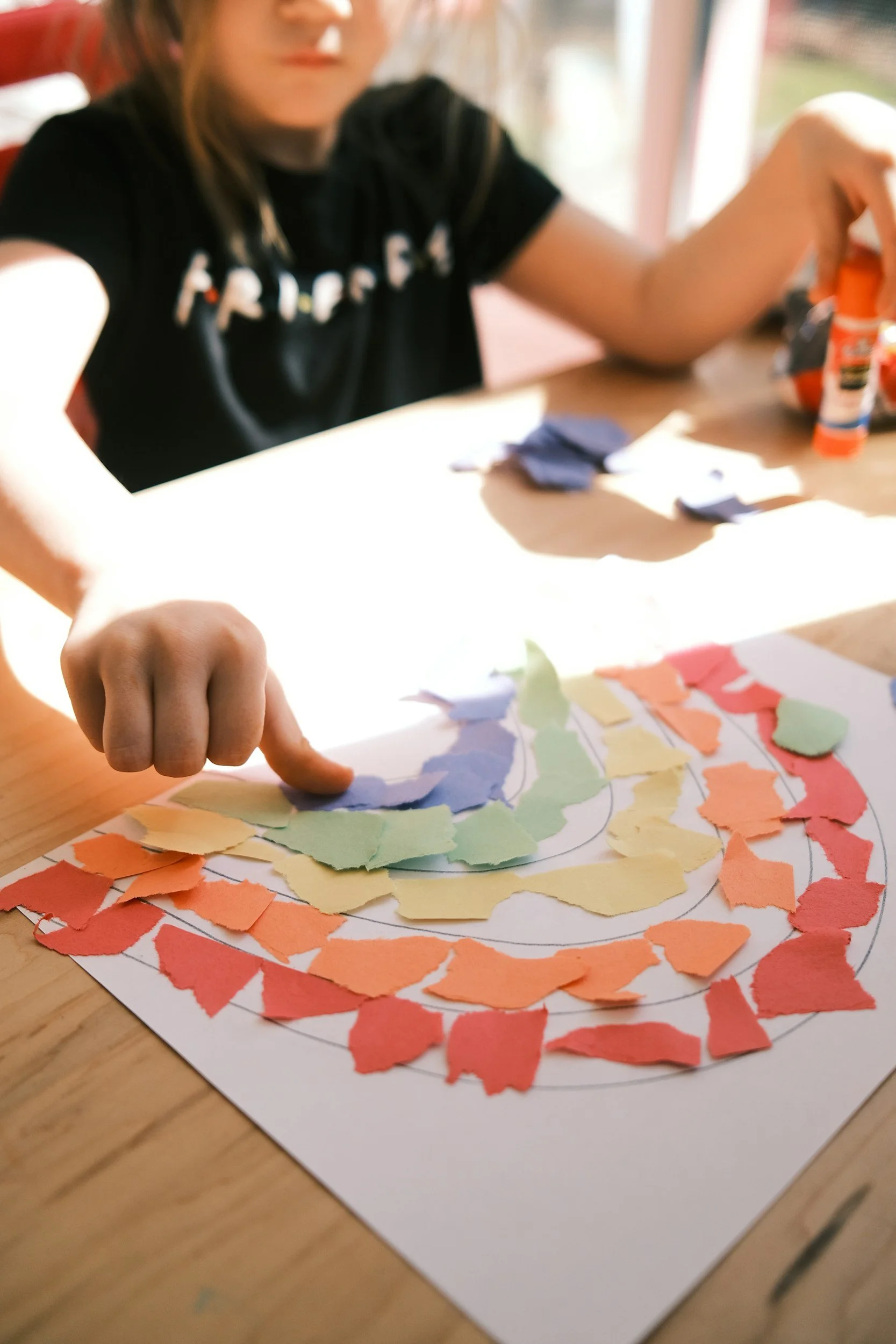
Trained therapists use play and expressive activities intentionally to observe, connect, communicate and support therapeutic goals. Depending on the child, this may include toys, art, creative activities, movement, storytelling, sensory experiences or conversation.
Play and expressive approaches can help children:
Develop emotional awareness
Practice regulation and coping skills
Communicate experiences that may be difficult to put into words
Build confidence and problem-solving skills
Explore relationships and social experiences
Develop healthier ways of responding to emotions and behaviour
For some children, play is the primary way they engage in therapy. For others, it is one part of a broader approach that also includes conversation and skill-building.
Therapy at Different Ages
Early Childhood
Therapy may focus on play, attachment, co-regulation, emotional development and caregiver involvement. Parents and caregivers are often an important part of the therapeutic process.
School Age
Sessions may combine play, expressive activities and conversation with emotional literacy, coping skills, behaviour support and relationship work.
Teens
Teen counselling is more collaborative and may involve greater use of conversation, while still incorporating expressive or experiential approaches when appropriate. Sessions may address identity, relationships, emotional regulation, coping, school stress and other challenges.
What Does a Child & Youth Session Look Like?
There is no single way a child therapy session should look.
Depending on age and treatment goals, sessions may involve play, expressive arts, conversation, creative activities or a combination of approaches. The therapist is intentionally observing, assessing, responding and intervening throughout the process rather than simply watching a child play.
For younger children, caregivers may be involved at the beginning or end of sessions. Parent check-ins may also be scheduled separately to discuss progress, provide education and identify ways to support the child's goals at home.

Parents Are Part of the Process
Children don't develop in isolation, and meaningful change often involves more than what happens during the counselling session.
Depending on the child's age and needs, parent support may include:
Caregiver intake and check-in sessions
Parent coaching and education
Understanding developmental needs and behaviour
Co-regulation strategies
Communication tools
Practical strategies for home
Support with routines, boundaries and emotional regulation
The goal is not to place responsibility for the child's difficulties on parents. It is to give caregivers a better understanding of what their child may be experiencing and practical ways to support them.

Coming Soon: Parent-Child Interaction Therapy (PCIT)
Specialized parent coaching for children ages 2–7
Sarah MacDonell is currently completing specialized training and certification in Parent-Child Interaction Therapy (PCIT).
PCIT is an evidence-based treatment in which parents receive live coaching while interacting and playing with their child. The approach focuses on strengthening the parent-child relationship, reducing challenging behaviours and building positive parenting skills.
Frequently Asked Questions
Why use play or expressive therapy instead of talk therapy?
Children do not always have the developmental ability or comfort to explain their internal experiences through conversation. Play, creative expression and experiential approaches can give children additional ways to communicate, explore emotions and work through challenges.
Are child and youth sessions preventative?
Early support can help children develop coping skills, emotional awareness and resilience while concerns are still emerging. Counselling is not only for children experiencing a significant mental health concern; it can also provide support during difficult transitions, family changes or periods of increased stress.
How many sessions will my child need?
There is no fixed number of sessions. Treatment length depends on the concerns being addressed, the child's developmental stage, treatment goals and how long they have been experiencing difficulties.
Progress and treatment goals are reviewed throughout counselling, and recommendations can be adjusted as your child's needs change. The therapeutic process will always be faster when caregivers also learn and integrate new parenting skills at home.
Can parents receive support without their child attending counselling?
Yes. Parent support sessions can be helpful when caregivers want guidance around their child's behaviour, emotional regulation, development, communication or family circumstances. Your child does not necessarily need to attend counselling for parents to seek support.
Fees
50-minute Child & Youth Counselling Session $160
50-minute Parent Intake Session $160
Not Sure Where to Start?
Choosing a counsellor or knowing which type of therapy is right for your child can feel overwhelming.
A complimentary 20-minute consultation gives us an opportunity to learn a little about what is happening and help determine which counsellor and approach may be the best fit.
Direct billing is available for many extended health plans, including Pacific Blue Cross, Canada Life, Desjardins, Manulife, Beneva, Equitable and others.
Located in Coquitlam, Bright Minds Counselling serves families and individuals throughout Coquitlam, Port Coquitlam, Port Moody, the Tri-Cities and surrounding communities. Online counselling is also available throughout British Columbia for eligible clients and services.